The oldest written record of the word “wódka” in Polish appears in 1405, in court documents from the Palatinate of Sandomierz. It refers not to a drink but to a medicine — a spirit used to treat wounds and illnesses. The drink we recognise as vodka would take another century to develop from that medicinal prototype, but the documents establish one thing clearly: Poland has been in the vodka business for over 600 years, and takes this history seriously enough to have built a museum dedicated to it.
The Museum of Polish Vodka — Muzeum Polskiej Wódki — sits inside a former rectification plant in Warsaw’s Praga district, within the Centrum Praskie Koneser complex. Koneser was the Warsaw vodka factory that produced Luksusowa and Wyborowa, two of Poland’s most famous vodka brands, for over a century. The museum opened in 2018 in the original production building, which means you’re tasting vodka in a space that was specifically built to make it. The industrial bones are still visible — exposed brick, iron columns, the high ceilings of a working distillery — and the exhibitions are installed around and through them rather than over them.
Getting There
The museum is in Praga, across the Vistula from Warsaw’s city centre — not in the tourist core around the Old Town or Lazienki Park, but about 2 kilometres east of the river. From the Old Town or central Warsaw, the easiest approach is tram (lines 22 or 25 go across the river to Praga) or Uber/Bolt, which takes around 10 minutes from the centre and costs 15–25 PLN. It’s a 25–35 minute walk across the river if you prefer; the route across the Slasko-Dabrowski Bridge gives you a good view of both banks.
The Koneser complex itself is worth arriving to a few minutes early. It’s a substantial former industrial site that has been redeveloped into a mixed-use neighbourhood with restaurants, bars, hotels, and open courtyard spaces. The hub.praga restaurant on the premises has a Michelin recommendation. After the vodka museum tour, if you want to continue exploring the area, the Praga district around Koneser is one of Warsaw’s more interesting corners — authentic, slightly edgy, with street art and independent bars in the streets surrounding the factory complex.
How the Visit Works
The museum can only be visited as part of a guided tour — there is no self-guided option. This is worth knowing before you arrive, because it means timeslots must be booked in advance and punctuality is required. The museum asks visitors to arrive 15 minutes before the tour’s start time for ticket verification. If you’re late, you don’t get in.
Tours depart in groups of up to 25 people and last approximately 60 minutes, followed by a tasting session of 20–30 additional minutes depending on which ticket you’ve bought. Tours run regularly in English (check the museum’s website for current schedules at muzeumpolskiejwodki.pl), with Polish as the other standard language. Audio guides in French, Spanish, Italian, German, and Russian are available at the reception desk; guided tours in these languages can also be arranged with advance booking.
Bring ID confirming you’re over 18 — it’s required for entry since alcohol is served.
What You’ll See: The Exhibition
The tour moves through four interactive galleries and a cinema space, tracing the history of Polish vodka from its origins to the present day.
The first gallery recreates the laboratory of a medieval alchemist — the proto-chemists who first developed distillation techniques in Poland. This is where the medicinal connection is made explicit: early vodka was a pharmaceutical product, and the monks and scholars who produced it were applying the same skills they used for other herbal preparations. The reproduced distillation equipment is theatrical but also reasonably accurate, and the guide’s explanation of how distillation works — the chemistry behind separating alcohol from water by exploiting different boiling points — is one of the more interesting moments in the tour for people who haven’t thought about it before.
Subsequent galleries cover the period when vodka production shifted from ecclesiastical and noble estates to industrial scale. By the mid-17th century, the Polish nobility had been granted a monopoly on vodka production within their territories — which meant that distilling became not just a cultural activity but a fundamental source of aristocratic income. The Potocki family, among others, ran distilleries that would have been among the most valuable assets on their estates. When potatoes arrived in Poland in the early 19th century and proved easier to ferment in large quantities than rye, production exploded. In 1836, official figures recorded almost 5,000 distilleries operating in the Austrian-controlled part of Poland alone. The country was, in a phrase the museum uses, gripped by “distilling fever.”
The 20th century section covers the years of the Polish government monopoly (from 1925), the communist-era nationalisation of distilleries, and the curious social history of vodka under socialism — when, for a period during martial law in the 1980s, vodka sales were rationed with coupon books. The collection of vintage bottles and labels from the last hundred years is genuinely interesting, particularly for visitors who recognise some of the classic Polish brands and didn’t know their origin stories.
A brief cinema experience at the start of the tour uses immersive projection to set the historical scene. It’s more evocative than informative, but effectively creates the mood before the exhibitions begin.
The Tasting: The Main Event
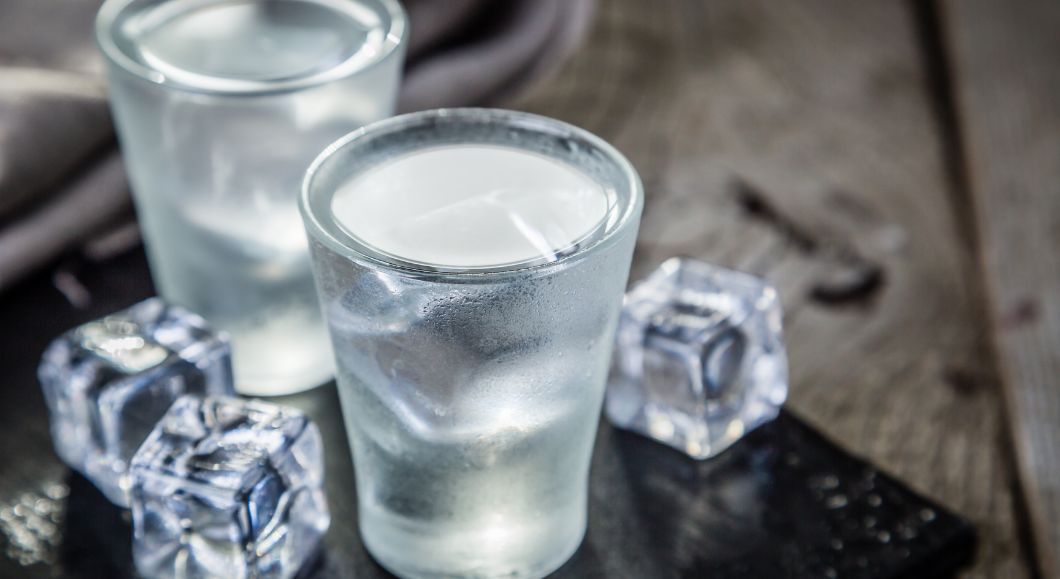
The tour ends in the tasting room, and this is what most visitors remember most vividly. The guides are trained in sensory evaluation and lead the group through a structured approach to appreciating vodka — not shooting it, but tasting it: small sips, attention to aroma, the difference between rye and potato bases, how temperature affects what you perceive.
Basic ticket (around 60 PLN regular, 50 PLN reduced): includes a tasting of three Polish vodkas, covering different base ingredients — typically a rye-based vodka, a wheat-based vodka, and a potato-based vodka. This is usually enough for most visitors to understand what distinguishes Polish vodka from the generic spirit they may have been drinking their whole lives. Not available on Fridays and Saturdays.
Premium ticket (around 70 PLN regular, 60 PLN reduced): extends the tasting to four vodkas including a super-premium spirit, with more time in the tasting room and additional instruction on serving and responsible consumption.
Koneser ticket (limited availability — 10 spots per tour, available Tuesday–Sunday afternoons): includes the extended tasting, an original cocktail from the museum’s Secret Menu, and a personal Diploma of a Polish Vodka Connoisseur. The diploma is a small laminated card; the cocktail is actually good.
VIP/Private tour: available for groups who want the full exhibition with a private guide rather than joining a scheduled tour. Priced accordingly and worth considering for small groups celebrating something, or for anyone who wants to ask questions without the constraints of a group tour.
The tasting itself is approached seriously — not as a pretext for drinking but as a genuine educational exercise. Most visitors who came thinking they didn’t particularly like vodka leave with a different view, primarily because they’ve been shown how to drink a quality spirit at room temperature rather than ice-cold from a freezer, and what to pay attention to when they do.
What Makes Polish Vodka Polish
The museum explains this in detail, but the short version is worth knowing in advance. Polish vodka has Protected Geographical Indication status under EU law, which means genuine Polish wódka must be produced exclusively from Polish-grown ingredients — either potatoes or one of five traditional cereals (rye, wheat, barley, oats, or triticale) — and every stage of production must happen in Poland. This is not just national pride. It’s a legal protection with serious trade implications, the result of a long campaign by the Polish vodka industry to distinguish its product from cheap neutral spirits produced elsewhere and labelled “vodka.”
The practical implication for the tasting is that you’re drinking spirits with traceable character from specific base ingredients and Polish terroir. Rye vodka tastes different from potato vodka in ways that become obvious once you know what to look for. The museum makes this distinction central to its educational programme, and it’s one of the things that stays with visitors.
Practical Tips
Book online at muzeumpolskiejwodki.pl at least 24 hours in advance — online prices are lower than at the door and popular time slots sell out, particularly on weekends. The museum is closed on Mondays.
Don’t eat too little beforehand. Three or four 15ml pours of 40% spirit, however slowly consumed, will have a noticeable effect if you’re visiting on an empty stomach. The Koneser complex has several restaurants; the food trucks in the courtyard are a reasonable option for a light lunch before the tour.
Factor in time after the tour for the bar. The museum has a rooftop bar and the Vodka Academy Bar within the complex — both are good, both have knowledgeable staff who can continue the conversation the tour started. The recommendation to ask what you should try based on what you liked in the tasting genuinely works.
The gift shop sells a well-curated selection of Polish vodkas not always available in regular shops, including small-production rye and potato spirits from distilleries you’re unlikely to encounter outside Poland. It’s one of the better places in Warsaw to buy vodka as a gift or souvenir, particularly if you want to take home something specific to the heritage the museum explains.
The whole experience — tour, tasting, time at the bar — takes around two hours. It’s one of Warsaw’s better-value and more memorable activities, particularly for visitors who haven’t thought much about vodka before and leave knowing considerably more than they expected.